
 Business License

Hot Roll Laminator vs. Pouch Laminator: Which Suits Your Market?
An Australian office supplies distributor contacted us a while back with a product line dilemma. They had been selling pouch laminators to schools and small offices for roughly four years and were doing well, but a competitor had just launched a hot roll laminator at a price point only about 30% higher than their top pouch model. Their customers were asking about the difference, and the distributor was not sure whether to add a roll machine or double down on pouch models with upgraded features. The choice between hot roll and pouch technology is one of the most consequential product-line decisions a laminator importer can make.
Both technologies produce laminated documents, but they do so through fundamentally different mechanisms, with different film costs, throughput characteristics, and target user profiles. Understanding these differences clearly helps importers and brand owners build product lines that match what their specific market actually needs—rather than stocking machines that look good on paper but sit unsold.
1. What Are Hot Roll and Pouch Laminators?
A pouch laminator uses pre-cut plastic pouches—sheets of laminating film sealed on one edge to form a folder—into which the user places a document. The loaded pouch is then fed through heated rollers that melt the adhesive layer and bond the film to both sides of the document. Pouch machines dominate the consumer and small-office market because they are simple to operate and require no film loading or threading.
A hot roll laminator, by contrast, uses continuous rolls of laminating film mounted on upper and lower spindles. The document passes between the two film layers as the machine pulls film from both rolls simultaneously, applying heat and pressure to bond everything into a single sealed sheet. Roll machines serve the professional and high-volume segment—print shops, commercial binderies, and educational service centers that process hundreds of items per day.
The distinction matters because it shapes every downstream decision about film cost, operating speed, finish quality, and the type of buyer who will purchase the machine. A pouch laminator designed for a teacher making classroom posters has almost nothing in common internally with a roll laminator built for a copy shop running menus and signage eight hours a day.
2. How the Two Technologies Work
In a pouch laminator, the process is sequential by design. The user selects a pouch of the correct size, inserts the document, and feeds the assembly into the machine. Heated silicone rollers, typically running at roughly 100°C to 130°C, activate the thermal adhesive inside the pouch while applying pressure to eliminate air bubbles. The finished document exits the rear of the machine in roughly 30 to 60 seconds for a standard A4 sheet, depending on the pouch thickness and the machine's speed setting.
Hot roll laminators operate on a continuous rather than batch model. The operator loads two film rolls—one glossy or matte finish on top, one adhesive-side on the bottom—and the machine maintains film tension through a series of guide bars and tension rollers. Documents are fed in one after another, and the laminator cuts between items either automatically via a built-in cutter or manually with a separate trimmer. Processing speed typically ranges from roughly 0.5 to 3 meters per minute depending on the model, film thickness, and temperature setting.
This fundamental difference in operating philosophy—sequential items vs. continuous feed—creates the main trade-off between the two technologies: pouch machines win on simplicity and accessibility, while roll machines win on throughput and per-unit cost when volume is high enough. The break-even point sits somewhere around roughly 20 to 30 laminated items per day.
3. Film and Consumables: Where the Real Cost Difference Lies
For importers, the machine itself is only part of the equation. The consumables—pouches or roll film—represent the ongoing revenue stream, and the economics differ sharply between the two technologies. Pouch laminating film costs more per sheet because each pouch is individually manufactured, cut, and sealed on one edge. Roll film, sold in bulk, costs less to manufacture and ships more efficiently.
The following table compares typical consumable costs for both technologies at import-scale quantities:
| Consumable | Pouch (per A4 sheet) | Roll Film (per A4 equivalent) | Cost Difference |
|---|---|---|---|
| Standard 80-micron film | US$0.03–0.05 | US$0.01–0.02 | Roll film is roughly 50–70% cheaper |
| Premium 125-micron film | US$0.06–0.09 | US$0.03–0.04 | Roll film is roughly 50–60% cheaper |
| Glossy finish film | US$0.04–0.07 | US$0.02–0.03 | Roll film is roughly 50–65% cheaper |
| Matte finish film | US$0.05–0.08 | US$0.02–0.04 | Roll film is roughly 50–60% cheaper |
For a print shop laminating roughly 200 sheets per day, the annual film cost savings from switching from pouch to roll technology can exceed US$1,500. This number grows quickly with volume and is often the primary economic argument that convinces a business buyer to step up from a pouch machine. Dongguan Jiaxi Office Equipment has observed that importers who stock both pouch and roll models typically generate higher repeat consumable orders, since each machine type creates its own film demand stream.
4. Speed and Throughput: Matching Production to Volume
Throughput is where roll laminators pull decisively ahead. A high-end pouch laminator can process roughly 50 to 80 A4 sheets per hour, assuming the operator loads and unloads continuously without interruption. A mid-range hot roll laminator running at roughly 1.5 meters per minute processes approximately 150 to 250 A4 sheets per hour—a roughly threefold advantage that widens further with higher-speed commercial models.
However, raw sheet-per-hour numbers do not tell the whole story. Pouch laminators have a warm-up time advantage: most modern pouch models reach operating temperature in roughly 45 to 90 seconds, while roll laminators can take roughly 3 to 8 minutes depending on roller size and wattage. For a user laminating two or three documents at a time, the pouch machine's fast startup wins. For a user processing a stack of 100 menus, the roll machine's continuous speed wins decisively.
This is why the user profile matters more than the spec sheet. A school administrative office might laminate roughly 15 items per week in bursts of two or three—the pouch machine is the obvious choice. A commercial office services company running roughly 400 sheets per day needs the roll machine's continuous throughput, and the longer warm-up time becomes negligible when amortized across hundreds of items.
5. Lamination Quality: Finish, Clarity, and Durability
Film clarity and finish consistency are where the technology gap shows up most visibly in the final product. Pouch laminators produce excellent results on flat documents, but they can struggle with thicker items like cardstock, photo paper, or documents with uneven surfaces. The pre-formed pouch creates a uniform border around the document edge, which some users prefer for aesthetics but others consider wasteful.
Roll laminators deliver more consistent film tension because the continuous-feed mechanism applies even pressure across the entire sheet width. This translates to fewer air bubbles and a more uniform gloss level across large-format items up to roughly A3 or A2 size. Roll machines also handle heavier media better, with many models rated for materials up to roughly 300 gsm versus the roughly 200 gsm limit common on consumer pouch machines.
Edge sealing represents another quality difference. Pouch laminators produce a sealed edge on all four sides because the pouch itself is sealed on one side and the rollers seal the remaining three. Roll laminators seal only the top and bottom surfaces, leaving the document edges exposed.
For applications like menus and ID cards that need full encapsulation against moisture, the pouch approach offers better edge protection. For posters and signage where edge exposure does not matter, the roll approach is perfectly sufficient.
6. Machine Footprint, Maintenance, and Total Cost of Ownership
Pouch laminators are compact by design. A typical A4 pouch model measures roughly 35 × 15 × 10 cm and weighs roughly 1.5 to 3 kg. They sit on a desk or shelf and require no special setup beyond plugging in. Maintenance is minimal—occasional roller cleaning with a cleaning sheet and replacement of the carrier board if the machine uses one.
Roll laminators demand more space and more attention. A tabletop roll model measures roughly 50 × 30 × 25 cm and weighs roughly 8 to 15 kg. Floor-standing commercial units can exceed 50 kg. Film loading requires threading through guide bars, and improper loading causes wrinkling and wasted film.
Roller surfaces need periodic cleaning to remove adhesive residue, and silicone rollers eventually require replacement after roughly 2,000 to 5,000 hours of operation depending on film type and usage intensity.
The total cost of ownership calculation shifts depending on volume. A pouch laminator with a purchase price of roughly US$25 and film costs of roughly US$0.04 per sheet costs roughly US$105 to laminate 2,000 sheets. A roll laminator at roughly US$150 with film costs of roughly US$0.015 per sheet costs roughly US$180 for the same volume.
At 2,000 sheets, the pouch machine wins on total cost. At 10,000 sheets, the roll machine's consumable advantage flips the equation, and by 50,000 sheets the gap is substantial.
7. Which Market Segments Each Technology Serves Best
Pouch laminators dominate the education and home-office segments. Teachers, parents, and small-business owners want a machine that works immediately with no learning curve and fits in a drawer when not in use. The A4 pouch format aligns perfectly with the most commonly laminated items—worksheets, certificates, recipes, and reference cards. Price sensitivity is high in this segment, with the US$15 to US$35 retail range capturing roughly 70% of consumer pouch laminator sales globally.
Roll laminators serve professional users who prioritize throughput and per-unit cost over upfront simplicity. Print shops, copy centers, school district print rooms, and commercial binderies are the core market. These buyers evaluate machines on duty cycle, film cost, and maximum document width.
A not long ago, a North American educational supplies distributor added a single roll laminator SKU alongside their existing pouch lineup. The roll model attracted a new customer segment—school district print centers—that their pouch-only competitors had not reached, and within roughly 18 months, the roll models accounted for approximately 25% of their laminator revenue.
There is also a growing middle ground of "power users"—small businesses, churches, community centers, and event organizers who laminate roughly 30 to 80 items per week. These users are often poorly served by both extremes: consumer pouch machines feel underpowered, but commercial roll machines feel oversized. A high-speed A3 pouch laminator or a compact desktop roll model often hits this segment perfectly, and importers who carry these mid-tier options capture sales that competitors at either extreme miss.
8. Key Specifications to Compare When Sourcing
When evaluating laminators from a supplier like Dongguan Jiaxi Office Equipment, several specifications separate well-engineered machines from commodity models. The table below lists the most important parameters to check:
| Specification | Pouch Laminator Target | Roll Laminator Target | Why It Matters |
|---|---|---|---|
| Warm-up time | Under 90 seconds | Under 5 minutes | Determines user frustration level; longer warm-ups increase return rates |
| Max film thickness | 125–150 microns | 125–250 microns | Thicker film = more durable finish; critical for menus and signage |
| Roller count | 2 or 4 rollers | 4 rollers | 4-roller designs produce fewer bubbles and better adhesion |
| Speed (A4 equivalent) | 250–400 mm/min | 800–3,000 mm/min | Directly determines daily throughput capacity |
| Jam reverse function | Yes (expected) | Yes (critical) | Without reverse, a jam means disassembling the machine mid-job |
| Max document width | A3 (300 mm) | A2 or wider (420+ mm) | Defines the range of items the machine can handle |
Beyond these numbers, JACC evaluates less visible design elements: roller surface uniformity, heat distribution consistency, and the robustness of the film tension mechanism on roll models. A machine that heats evenly across the full roller width produces consistent results; one with a cold spot on either edge generates a steady stream of customer complaints regardless of how the spec sheet reads.
9. FAQ: Frequently Asked Questions About Pouch and Roll Laminators
9.1 Which type of laminator is cheaper to operate long-term?
At low volumes—under roughly 20 items per day—a pouch laminator is cheaper overall because the machine itself costs less and the consumable cost difference has not yet accumulated. At moderate to high volumes, roll laminators win decisively on film cost. A roll laminator user spending roughly US$0.015 per sheet instead of roughly US$0.04 saves roughly US$500 for every 20,000 sheets processed. Print shops and copy centers that run roll machines essentially recoup the higher machine price through film savings within the first year of operation.
9.2 Can a pouch laminator handle large-format documents?
Most consumer pouch laminators are limited to A4 (roughly 210 × 297 mm). A3 pouch laminators exist and handle sheets up to roughly 297 × 420 mm, but A3 pouches are substantially more expensive and harder to find in retail channels. For anything larger than A3—posters, maps, signage—a roll laminator is the only practical option. Roll machines routinely handle widths up to roughly 650 mm, which covers most large-format needs up to A2.
9.3 What causes bubbles in laminated documents, and which technology handles it better?
Bubbles form when air gets trapped between the film and the document during the lamination process. Four-roller pouch laminators reduce bubbling noticeably compared to two-roller designs. Roll laminators generally produce fewer bubbles on large-format items because the continuous-feed mechanism maintains more consistent film tension.
For small documents on standard paper, a quality four-roller pouch machine produces bubble-free results in most cases. The real difference appears with thicker media and non-standard materials, where roll machines are clearly superior.
9.4 Should I stock both types in my product line?
Yes, if your customer base spans both consumer and professional segments. A three-SKU laminator lineup—an entry-level A4 pouch model, a mid-range A3 four-roller pouch model, and a compact desktop roll model—covers roughly 90% of market demand without overlapping features. Each model pulls a different buyer: home users, small offices and schools, and commercial print operations, respectively. Our sales data shows that importers carrying this three-SKU combination typically see roughly 40% higher total laminator category revenue than those stocking only pouch models.

Contact Us
Recommended Products
-
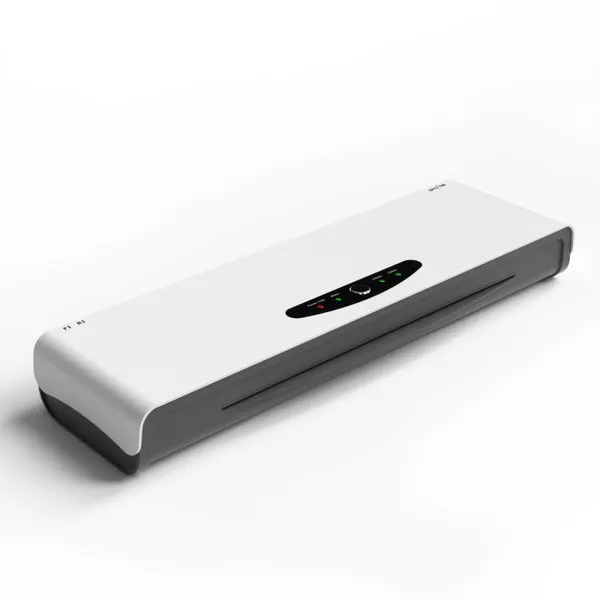
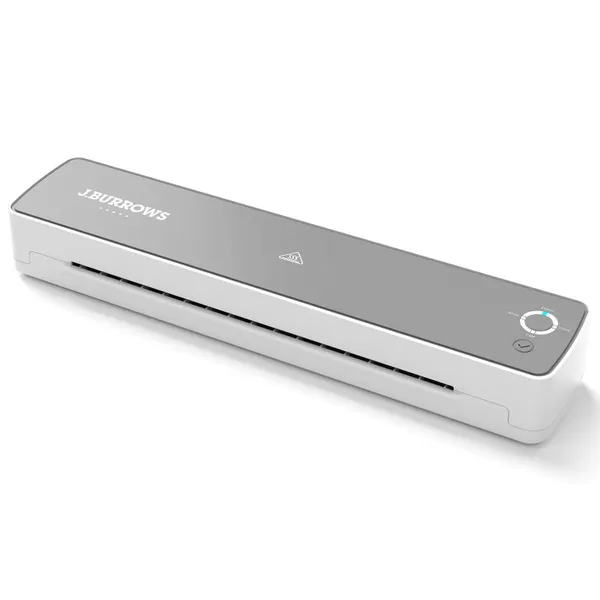
 Premium 9.5-inch A4 Pouch Laminator Machine 1 Minute Warm-up High Speed Laminating Machine With NTC IDLM034US$ 8.00 - 10.80MOQ: 1000 Pieces
 -
Premium 4-roller Pouch Laminator A3 13-inch High Speed Thermal Laminating Machine 1 Min Warm-up Office Hot Lamination (LM341B)US$ 32.00 - 34.00MOQ: 500 Pieces
-
Premium A3 13" Pouch Laminator One Minute Warm-Up High Speed Thermal Laminating Machine Machine Max 150 Microns IDLM024US$ 11.80 - 13.90MOQ: 1000 Pieces
-
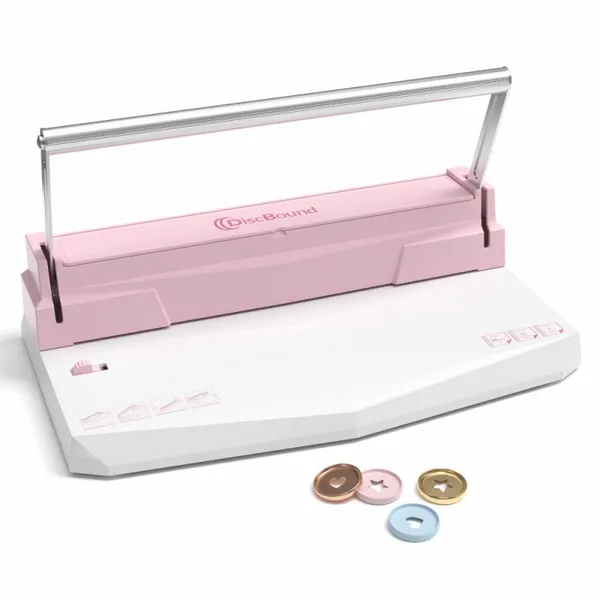
Premium Discbound Binder Hole Puncher Disc Binding Machine Mushroom Hole Punch Arc Binder Discbound Planner IDBM011US$ 19.00 - 28.00MOQ: 1000 Pieces
-
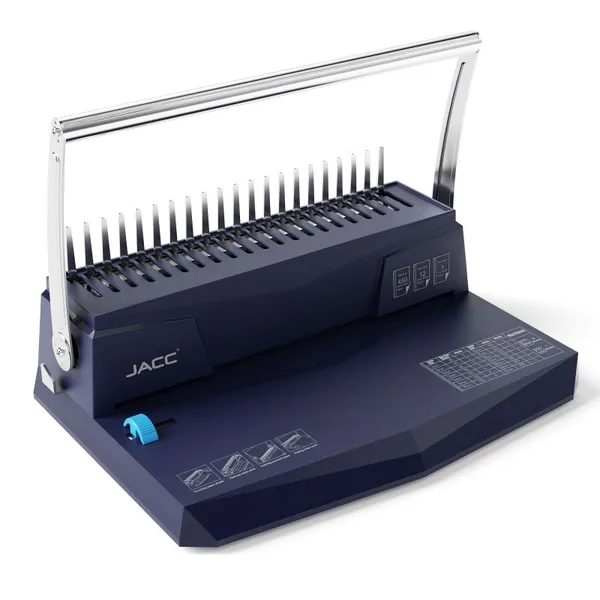
Premium 12-heet Comb Binding Machine Documnet Binding Machine Plastic Comb Binder Paper Binding Machine (CB12)US$ 11.50 - 13.80MOQ: 500 Pieces
-
Premium Spiral Coil Binding Machine 4:1 5:1 6mm Encuadernadoras Espiral Encadernacao Espiral Madeira (SB10)US$ 19.00 - 24.00MOQ: 500 Pieces
-
Premium 12 Inches A4 Thermal Binding Machine Hot Binding Machine Thermal Binder for Thermal Binding Covers (TB200)US$ 8.00 - 19.50MOQ: 500 Pieces
-
JACC 2-in-1 A3 & A4 Thermal Binding Machine 13\" Laminator &12\" Book Binding Machine IDLM037 Electric PowerUS$ 15.00 - 25.00MOQ: 500 Pieces
-
Premium 8 Sheets 21 19 Hole Comb Binding Machine Document Binding Machine Note Book Binding Machine (CB8)US$ 8.00 - 10.30MOQ: 500 Pieces
-
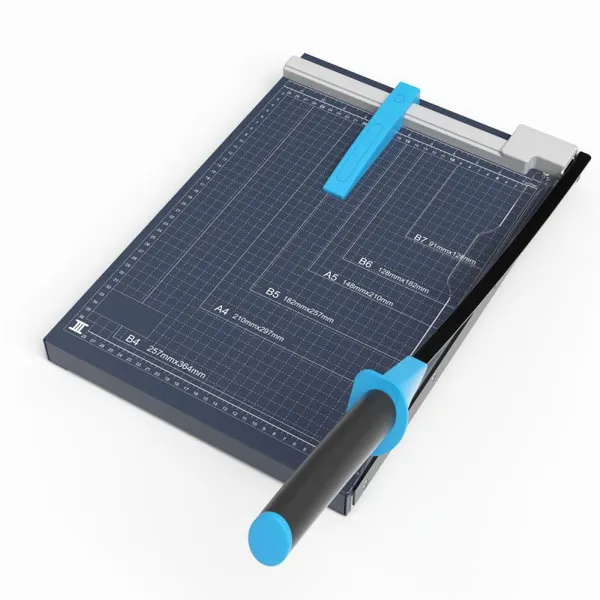
Premium Paper Cutter B4 15 Inch Paper Trimmer Machine Manual Paper Guillotine Machine Metal Baseplate (GL410B)US$ 8.20 - 9.50MOQ: 1000 Pieces
-
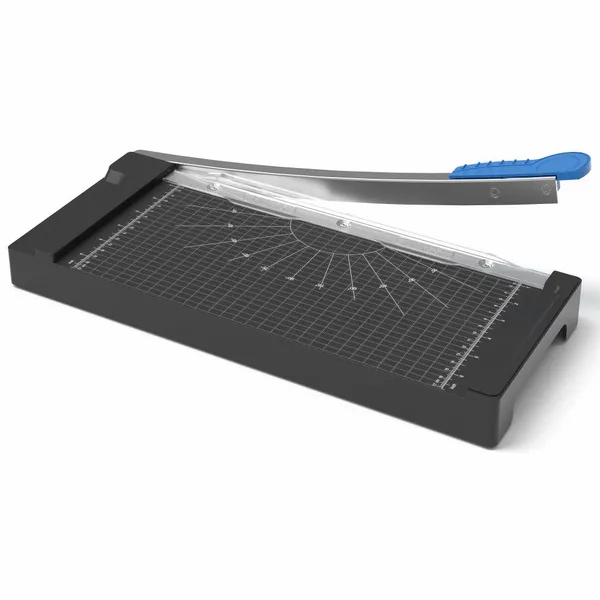
A4 Size GL408 Paper Guillotine Cutter – Compact Design for Office, Photo & Card CuttingUS$ 5.5MOQ: 1000 Pieces
-
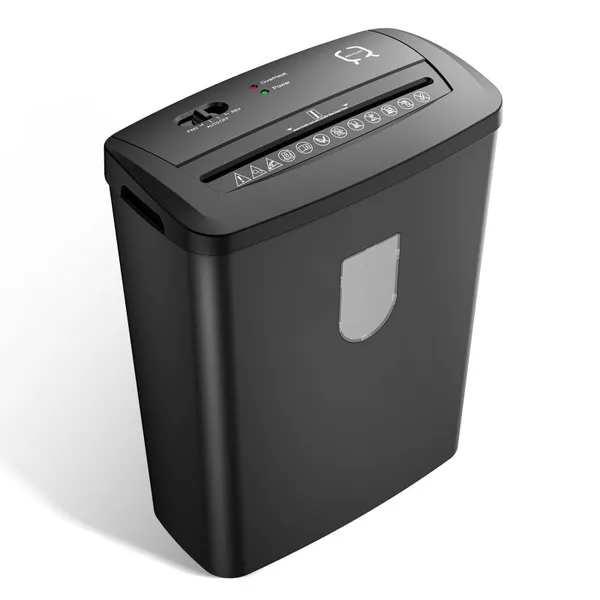
Premium 14L 8 Sheets Cross Cut Paper Shredder Machine Document Shredding Machine Home Office Shredder IDPS004US$ 15.99 - 17.90MOQ: 500 Pieces
-
Premium 11L 6 Sheets Cross Cut Paper Shredder Machine Document Shredding Machine Home Office Shredder IDPS003US$ 12.50 - 14.00MOQ: 500 Pieces
-
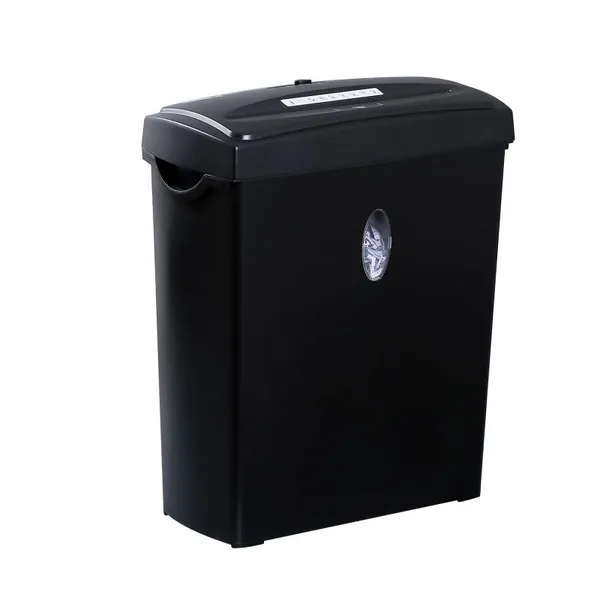
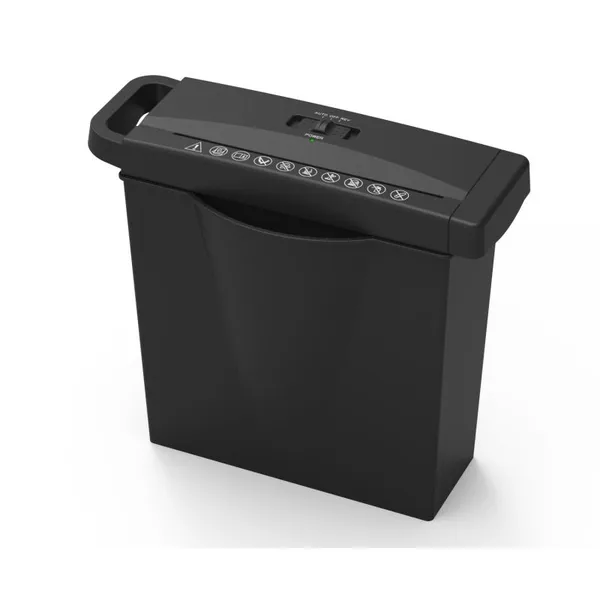
Premium 7L Home Office Paper Shredder 6 Sheets Strip Cut Document Shredding Machine IDPS002 With Electric Power SourceUS$ 7.99 - 8.88MOQ: 500 Pieces
-
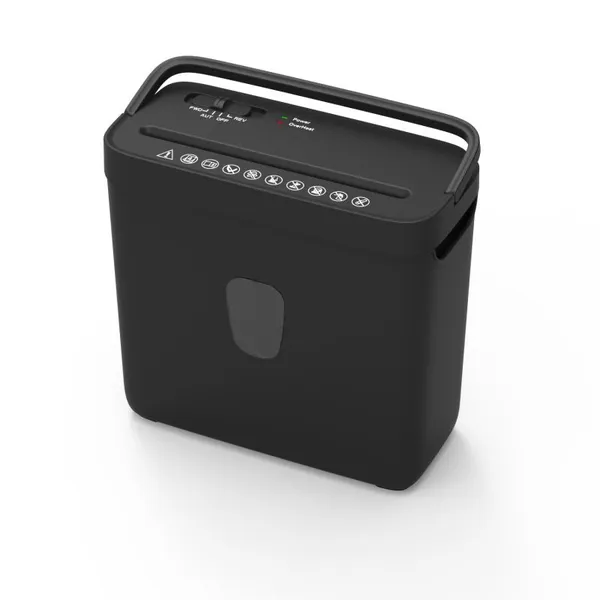
Premium 8L 4 Sheets Cross Cut Paper Shredder Machine Document Shredding Machine Office Shredder IDPS001US$ 9.50 - 10.50MOQ: 500 Pieces
-
Premium Portable Food Vacuum Sealer Machine With Rechargeable Li-ion Battery Food Saver for Sous Vide (FVS0351Li)US$ 8.10 - 8.90MOQ: 1000 Units
-
Premium Handheld Vacuum Sealer Mini Vacuum Pump for Reusable Vacuum Zipper Bags and Food Storage Containers (HVS3501)US$ 2.99 - 3.90MOQ: 2000 Units
-
Premium Food Vacuum Sealer Machine Food Saver Vacuum Preservation and Sealing Machine With Hose for Sous Vide (FVS2201)US$ 7.00 - 8.90MOQ: 1000 Units
-
Food Vacuum Sealer Machine Dual Heat Sealing Lines With Bag Cutter Double Seal Strip for Airtight Moist Food Storage (VS6)US$ 12.00 - 13.50MOQ: 1000 Units
-
Premium Portable Handheld Mini Vacuum Sealer Pump USB Rechargeable Air Suction Pump Vacuum Wine Jar Sealer IDFVS018US$ 4.50 - 5.10MOQ: 1000 Units