
 Business License

Food Vacuum Sealers Explained: How They Work, Types, and Key Features
A food distributor in Eastern Europe contacted us some time ago with a practical problem. They had been shipping vacuum-packed dry goods to regional supermarkets for roughly three years, but their machines could not keep pace with a sudden jump in order volume. The sealers overheated after roughly 40 minutes, and the seal failure rate was costing them approximately 3% of each shipment in spoiled goods. They needed an upgrade but had no clear framework for comparing models.
This situation plays out regularly across the industry, and it underscores a critical lesson: choosing the wrong vacuum sealer costs far more in waste and disruption than the machine itself.
Food vacuum sealers are among the fastest-growing categories in small kitchen appliances and commercial food equipment, with global demand climbing at roughly 7% annually. Yet for importers and brand owners, the category can feel confusing because the underlying technology varies significantly across models. This article explains how vacuum sealers work, outlines the main types available, and identifies the features buyers should evaluate before placing an order.
1. What Is a Food Vacuum Sealer and Why Does It Matter?
A food vacuum sealer removes air from a plastic bag or container and heat-seals it shut, creating an airtight environment that slows food spoilage. By eliminating oxygen, it inhibits aerobic bacteria, molds, and yeasts that would degrade food within days. For retailers, vacuum-sealed packaging cuts returns and waste. For food processors, it streamlines portion control.
For households, it enables bulk buying and meal prep without freezer burn. A well-chosen vacuum sealer pays for itself through reduced waste within roughly 6 to 12 months of regular commercial use. The market has diversified considerably. Several years ago, most importers sourced one or two basic external models.
Today, manufacturers like Dongguan Jiaxi Office Equipment Co., Ltd. ship roughly 12 distinct vacuum sealer SKUs to buyers in over 30 countries. The range reflects how the category has segmented into distinct tiers serving different price points and use cases.
2. How Does Vacuum Sealing Actually Work?
Every vacuum sealer contains three mechanical subsystems that work in sequence: the vacuum pump extracts air, the sealing element applies controlled heat to fuse the bag shut, and the control system coordinates the timing. Understanding these subsystems helps buyers see why specific design choices matter.
The vacuum pump is the core component. Most consumer and light-commercial models use a piston or diaphragm pump that draws roughly -0.6 to -0.8 bar of negative pressure. Higher-end models use rotary vane pumps capable of roughly -0.95 bar, which translates to meaningfully longer preservation. After the pump reaches the target vacuum level, the sealing strip—typically a nichrome wire in a Teflon-coated bar—melts the bag material to create a permanent bond.
Bag material matters as much as the machine itself. The table below summarizes the most common types:
| Bag Type | Material | Typical Thickness | Best Use |
|---|---|---|---|
| Standard embossed roll | PA/PE co-extruded | 90–110 microns | General household and light commercial |
| Heavy-duty embossed roll | PA/PE co-extruded | 120–150 microns | Sharp-edged products (bones, shells) |
| Smooth chamber pouch | PA/PE or PET/PE | 70–100 microns | Chamber machines, high-volume packing |
| Retort pouch | Aluminum foil laminate | 120–160 microns | Shelf-stable products requiring sterilization |
| Mylar-style barrier bag | PET/Al/PE laminate | 100–140 microns | Long-term dry goods storage |
The interplay between pump strength, seal bar design, and bag material largely determines whether a machine performs reliably over thousands of cycles. Cheaper models skimp on all three, and the result is a unit that looks functional out of the box but degrades within weeks of regular use.
3. Chamber vs. External Vacuum Sealers: The Two Main Categories
The most important distinction in this market is between chamber and external (also called suction or "clamshell") machines. In a chamber machine, the entire bag sits inside a sealed chamber, and pressure equalizes on both sides before the seal activates. In an external machine, only the open end of the bag is held in the unit while the pump pulls air out through the opening.
Chamber machines offer several practical advantages. They handle liquids without pulling fluid into the seal area. They achieve stronger vacuum, typically around -0.95 bar. They accept smooth, non-embossed pouches that cost roughly 60-70% less than embossed rolls.
The trade-off is size, weight, and price—chamber machines weigh roughly 30 to 50 kg and cost several times what a high-end external model does.
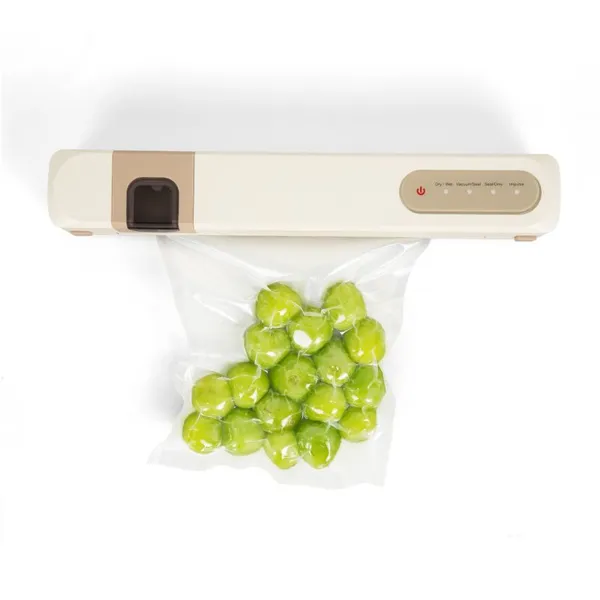
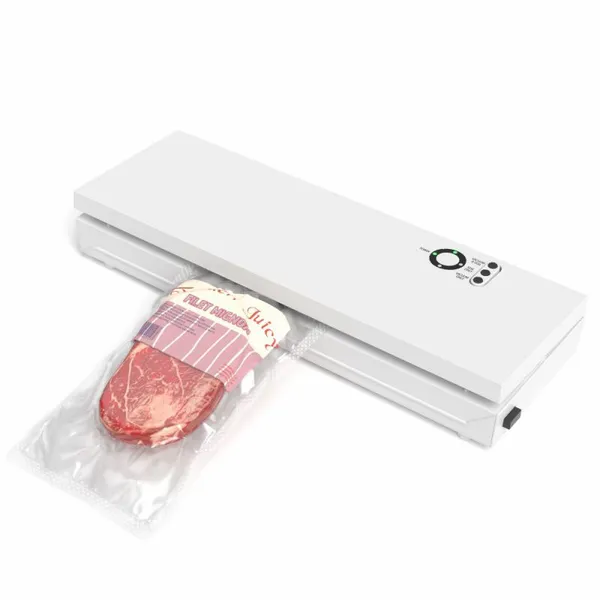
External sealers are lighter, more compact, and more accessible. A typical external model weighs roughly 1.5 to 3.5 kg and fits on a countertop. They require embossed bags with textured inner surfaces that create air channels during the vacuum cycle. Modern external machines have closed much of the performance gap, with top models now achieving roughly -0.8 bar and offering double-seal strips for better reliability.
The company has noted a clear shift: roughly 70% of orders from European and North American importers are now for enhanced external models, while chamber demand remains strong from food processors in Southeast Asia and South America.
4. Nozzle-Type, Automatic, and Handheld: Understanding Subcategories
Beyond the chamber vs. external split, the market segments further into subcategories that suit different user profiles. Knowing these helps importers build product lines that cover distinct customer needs without competing against their own SKUs.
Nozzle-type sealers use a small external hose to draw air from specially designed bags or containers with one-way valve ports. They are common in Europe, often paired with reusable canisters and bottle stoppers. Vacuum strength is typically lower—roughly -0.4 to -0.6 bar—but the flexibility of switching between bags and containers appeals to household users.
Automatic sealers represent the convenience segment. These machines sense bag insertion, trigger the vacuum cycle, and activate the seal in one motion. They command a roughly 20-30% price premium but consistently score higher in user satisfaction. For brand owners targeting the premium-appliance segment, an automatic sealer often serves as the hero SKU.
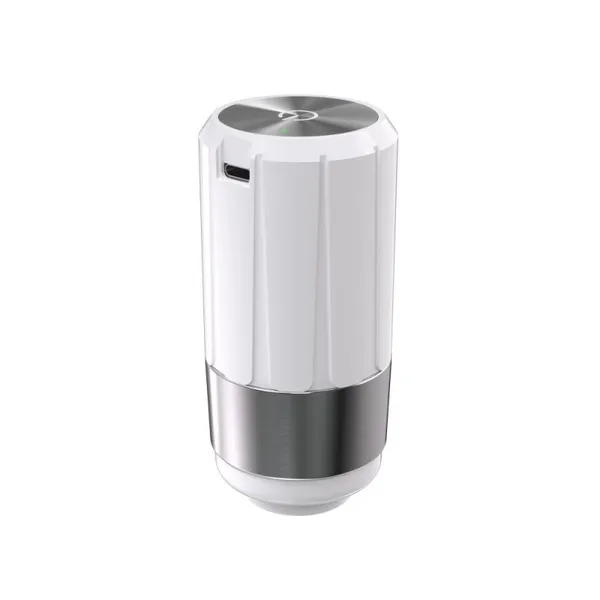
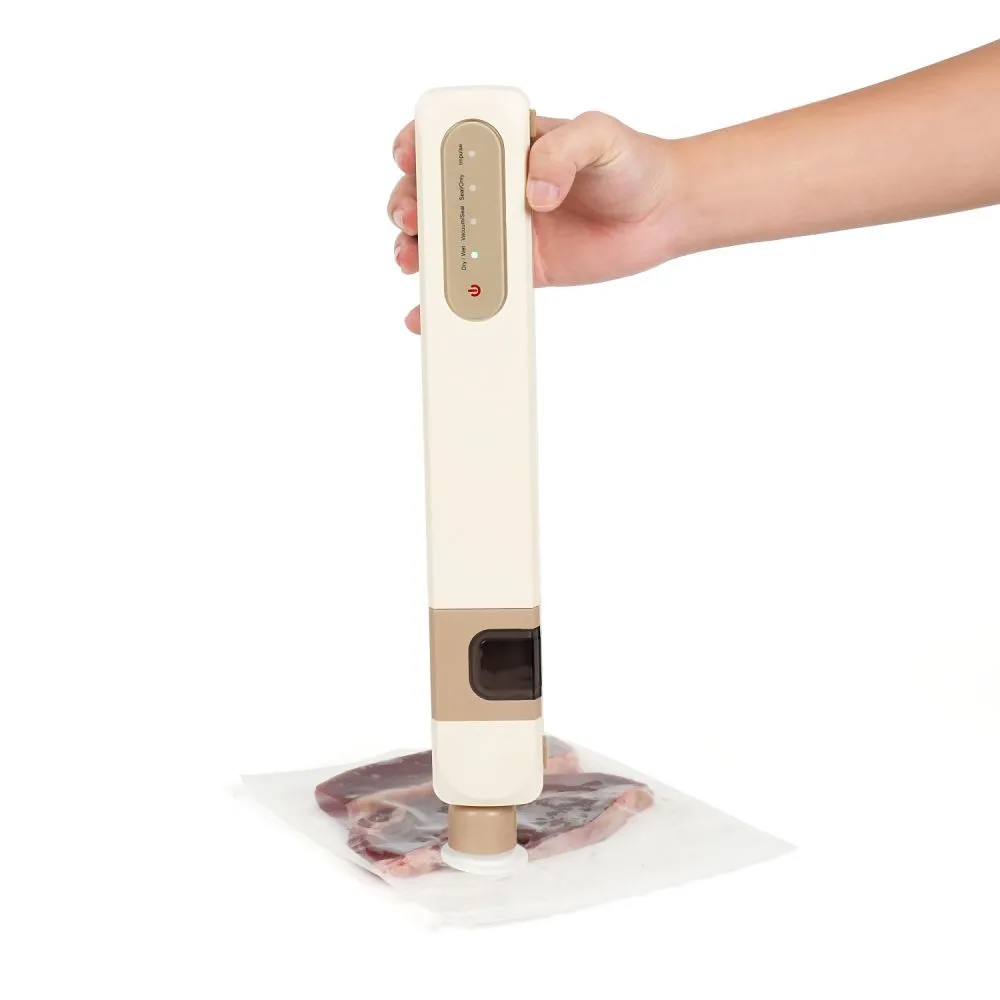
Handheld vacuum sealers are a fast-growing subcategory that barely existed several years ago. These compact, battery-powered devices weigh roughly 200 to 400 grams and work with reusable zipper bags. They cannot match a full-sized sealer's strength—typically reaching roughly -0.3 to -0.5 bar—but their portability and low price make them an attractive entry point. JACC has shipped roughly 50,000 handheld units in the past year alone, primarily to e-commerce brand owners in North America and Australia.
5. Sealing Mechanisms: Single vs. Double Heat Strip and Width Considerations
The sealing mechanism is where many budget machines reveal their limitations. A single heat strip, the minimum configuration, typically produces a seal roughly 2 to 3 mm wide. Under heavy use, single-strip seals can develop microscopic gaps that allow slow air ingress—a bag that looks fine after processing may deflate within 24 to 48 hours.
Double heat strip designs place two parallel sealing wires in the bar that activate simultaneously, creating two independent seals roughly 3 to 5 mm apart. Third-party testing suggests double-seal designs reduce post-packaging leak rates by roughly 60-80%. For importers selling into markets with strong consumer protection frameworks, the upgrade from single to double seal is one of the highest-ROI specification choices available.
Seal bar width also affects throughput. Wider bars of roughly 300 mm accommodate larger bags and multiple smaller bags side by side, improving efficiency by roughly 40% in operations that process dozens of packages per day. A time ago, a Southeast Asian distributor who previously sourced narrow-bar machines switched to 300-mm models and cut labor time per batch by nearly half, with seal quality improving as an additional benefit.
6. Key Performance Metrics Buyers Should Evaluate
Specification sheets can feel dense, but a handful of numbers tell most of the story. The table below breaks down the five most useful indicators:
| Metric | Entry-Level | Mid-Range | Commercial | Why It Matters |
|---|---|---|---|---|
| Vacuum pressure | -0.45 to -0.6 bar | -0.6 to -0.8 bar | -0.85 to -0.95 bar | Each -0.1 bar improvement extends refrigerated shelf life by roughly 2-3 days |
| Seal bar width | 2.0–2.5 mm | 3.0–4.0 mm | 3.5–5.0 mm (dual) | Wider seals are more tolerant of bag wrinkles and food debris |
| Cycle time | 20–30 seconds | 15–25 seconds | 10–18 seconds | 5 seconds saved per cycle = roughly 60–80 extra bags per 8-hour shift |
| Cool-down time | 45–60 seconds | 30–45 seconds | 15–30 seconds | Shorter cooldown = fewer interruptions during batch processing |
| Bag width capacity | Up to 280 mm | Up to 300 mm | Up to 400+ mm | Flexibility for non-standard sizes and multi-bag operations |
Beyond these numbers, Jiaxi Office Equipment also evaluates factors like pump noise under load and heat-strip temperature consistency across the full bar length. A machine with clean specs on paper but uneven heating on one edge of the seal bar will generate complaints regardless of what the data sheet claims.
7. Materials and Build Quality: What Determines Long-Term Reliability
The materials inside a vacuum sealer determine whether it lasts 500 cycles or 50,000 cycles, yet this is the hardest aspect to evaluate remotely. Three components are most likely to fail: the pump diaphragm, the sealing element, and the lid gasket.
Pump durability comes down to diaphragm material. Entry-level machines use EPDM rubber that stiffens and cracks after roughly 800 to 1,200 cycles. Better machines use PTFE-coated or silicone diaphragms rated for 5,000 to 10,000 cycles. The material cost difference is modest—roughly US$0.30 to US$0.60 per unit—but the impact on customer experience is enormous.
A brand owner choosing the cheaper option saves a few cents per unit while risking a return rate that erases the entire product line margin.
The sealing bar presents a similar trade-off. Inexpensive machines use bare nichrome wire that heats unevenly and corrodes. Quality machines use Teflon-coated bars with embedded temperature sensors. At the factory level, Dongguan Jiaxi Office Equipment conducts thermal imaging checks on every batch, rejecting bars that show a temperature variance over roughly 3°C from center to edge.
Gasket quality in external machines is another silent failure point. The foam gasket compresses with each cycle and eventually loses its seal. A gasket failing after roughly 300 cycles turns a functional machine into waste unless replacements are available. The best approach is sourcing machines with easily replaceable gaskets and including a spare in the box.
8. Smart Features and Automation in Modern Vacuum Sealers
The past several years have seen meaningful feature upgrades driven by microcontroller costs falling roughly 40% and consumers expecting more intuitive interfaces. These additions address real frustrations that traditional manual machines create.
Pulse vacuum control lets users manually manage the vacuum level by pressing and releasing a button, stopping the pump before delicate foods are crushed. This feature is essential for products targeting the bakery and prepared-food segments, where pastries, soft breads, and cheese portions need gentle handling.
Moisture detection sensors address a persistent problem. Standard vacuum cycles pull moisture toward the seal area, contaminating the seal. Models with a moisture sensor detect liquid and either switch to a gentler mode or extend the seal dwell time. For the food processing segment, this alone can reduce seal failures on moist products by roughly 50-70%.
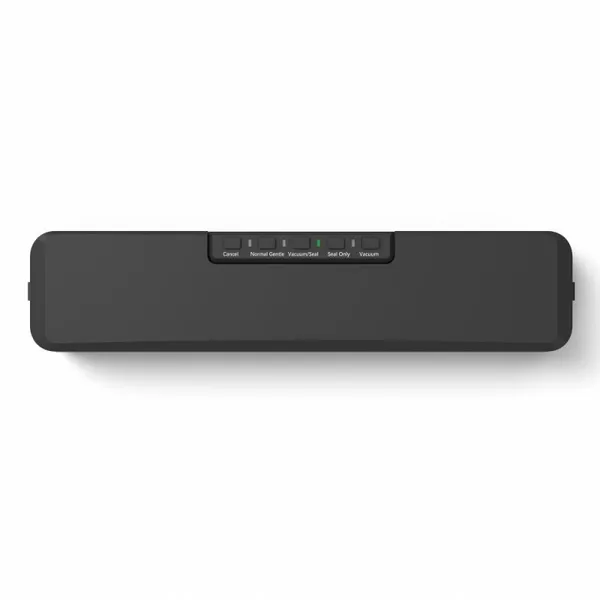
Preset programs have become baseline expectations. A model with buttons labeled "Dry," "Moist," and "Gentle" covers roughly 85% of household use cases while reducing the learning curve to near zero. JACC has found that models with clearly labeled presets generate roughly 25% fewer customer support inquiries, directly improving retail economics for brand owners.
9. Common Problems and How Good Design Addresses Them
Most vacuum sealer failures follow predictable patterns, and understanding these helps buyers select models with preventive design features. The most frequent issue is incomplete sealing from wrinkled bags. When a bag is not perfectly flat across the sealing bar, the heat strip contacts only part of the surface. Wide seal bars and double-seal designs mitigate this significantly.
Overheating during batch use is the second most common complaint. Without adequate thermal protection, continuous operation causes the pump and sealing element to falter after roughly 20 to 30 minutes. Models with active cooling fans and thermal cut-off switches can run for roughly 60 to 90 minutes without interruption.
Liquid ingress into the vacuum channel is a perennial problem. Once moisture reaches the pump, it degrades lubrication and eventually causes failure. The best response is a removable drip tray beneath the sealing area.
Some time ago, a South American importer working with our team reported roughly 8% of machines failing within the first year due to liquid contamination in meat-processing environments. A redesigned tray with a deeper channel and silicone flap valve reduced that rate to below 2%.
Gasket deterioration rounds out the common issues. A sealer that initially pulls -0.8 bar may drop to -0.5 bar after roughly 400 cycles because the gasket no longer seals tightly. Including a spare and making replacement tool-free are straightforward fixes that substantially improve the ownership experience.
10. FAQ: Frequently Asked Questions About Food Vacuum Sealers
10.1 What is the difference between a chamber vacuum sealer and an external vacuum sealer?
A chamber sealer places the entire bag inside a sealed chamber where pressure equalizes around it, allowing it to handle liquids and use cheaper non-embossed pouches. An external sealer holds only the open end and pulls air through the opening. Chamber machines typically cost three to five times more but deliver stronger vacuum (roughly -0.95 bar vs. roughly -0.8 bar) and lower per-bag operating costs.
Most small businesses are well served by a quality external model, while food processors and commercial kitchens benefit from chamber machines.
10.2 How long does vacuum-sealed food last compared to regular storage?
In a refrigerator, vacuum-sealed food typically lasts roughly 3 to 5 times longer than conventional storage. Fresh meat that would last 2 to 3 days stays fresh for roughly 8 to 12 days when properly sealed. In the freezer, vacuum sealing prevents freezer burn almost entirely, extending quality life from roughly 3 to 6 months to 18 to 24 months for most proteins. Dry goods like coffee, nuts, and grains can stay fresh for roughly 12 to 18 months at room temperature versus roughly 1 to 3 months in opened packaging.
10.3 Can vacuum sealers be used for non-food items?
Yes. They are widely used for protecting items from moisture and oxidation—including documents, photographs, silverware, jewelry, emergency supplies, and compressed clothing for travel. The military and outdoor equipment industries have used vacuum sealing for decades. For importers, positioning a vacuum sealer as multi-purpose rather than single-function can broaden the target customer base by roughly 15 to 25%.
10.4 What should I look for when sourcing vacuum sealers in bulk from China?
Focus on four areas beyond price: pump type and rated cycle life (PTFE-coated diaphragms rated for at least 5,000 cycles), seal mechanism design (double heat strip with Teflon coating), certification coverage (CE/RoHS for Europe, ETL/UL for North America, GS for Germany), and spare parts availability (replacement gaskets and bars as separate SKUs). Request a thermal imaging report for the sealing bar and an aging test report showing vacuum retention across at least 1,000 cycles. Quality factories provide these as standard documentation.

Contact Us
Recommended Products
-
 Premium 9.5-inch A4 Pouch Laminator Machine 1 Minute Warm-up High Speed Laminating Machine With NTC IDLM034US$ 8.00 - 10.80MOQ: 1000 Pieces
 -
Premium 4-roller Pouch Laminator A3 13-inch High Speed Thermal Laminating Machine 1 Min Warm-up Office Hot Lamination (LM341B)US$ 32.00 - 34.00MOQ: 500 Pieces
-
Premium A3 13" Pouch Laminator One Minute Warm-Up High Speed Thermal Laminating Machine Machine Max 150 Microns IDLM024US$ 11.80 - 13.90MOQ: 1000 Pieces
-
Premium Discbound Binder Hole Puncher Disc Binding Machine Mushroom Hole Punch Arc Binder Discbound Planner IDBM011US$ 19.00 - 28.00MOQ: 1000 Pieces
-
Premium 12-heet Comb Binding Machine Documnet Binding Machine Plastic Comb Binder Paper Binding Machine (CB12)US$ 11.50 - 13.80MOQ: 500 Pieces
-
Premium Spiral Coil Binding Machine 4:1 5:1 6mm Encuadernadoras Espiral Encadernacao Espiral Madeira (SB10)US$ 19.00 - 24.00MOQ: 500 Pieces
-
Premium 12 Inches A4 Thermal Binding Machine Hot Binding Machine Thermal Binder for Thermal Binding Covers (TB200)US$ 8.00 - 19.50MOQ: 500 Pieces
-
JACC 2-in-1 A3 & A4 Thermal Binding Machine 13\" Laminator &12\" Book Binding Machine IDLM037 Electric PowerUS$ 15.00 - 25.00MOQ: 500 Pieces
-
Premium 8 Sheets 21 19 Hole Comb Binding Machine Document Binding Machine Note Book Binding Machine (CB8)US$ 8.00 - 10.30MOQ: 500 Pieces
-
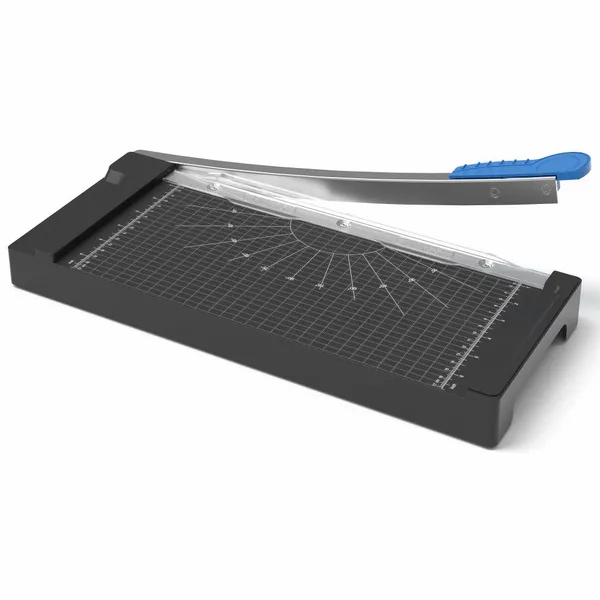
Premium Paper Cutter B4 15 Inch Paper Trimmer Machine Manual Paper Guillotine Machine Metal Baseplate (GL410B)US$ 8.20 - 9.50MOQ: 1000 Pieces
-
A4 Size GL408 Paper Guillotine Cutter – Compact Design for Office, Photo & Card CuttingUS$ 5.5MOQ: 1000 Pieces
-
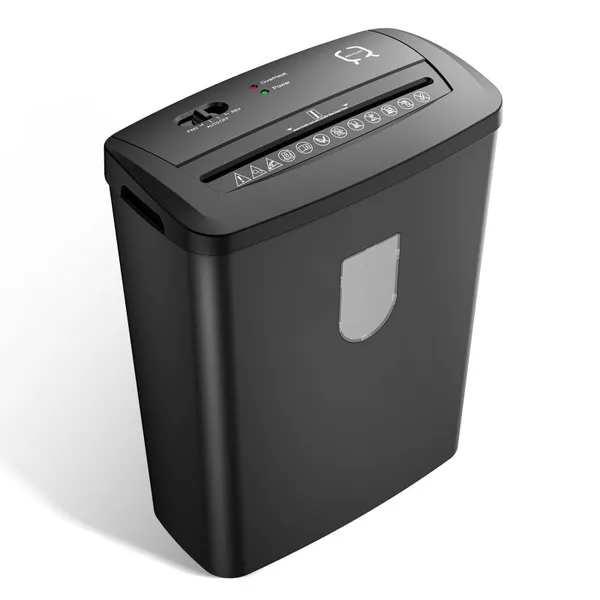
Premium 14L 8 Sheets Cross Cut Paper Shredder Machine Document Shredding Machine Home Office Shredder IDPS004US$ 15.99 - 17.90MOQ: 500 Pieces
-
Premium 11L 6 Sheets Cross Cut Paper Shredder Machine Document Shredding Machine Home Office Shredder IDPS003US$ 12.50 - 14.00MOQ: 500 Pieces
-
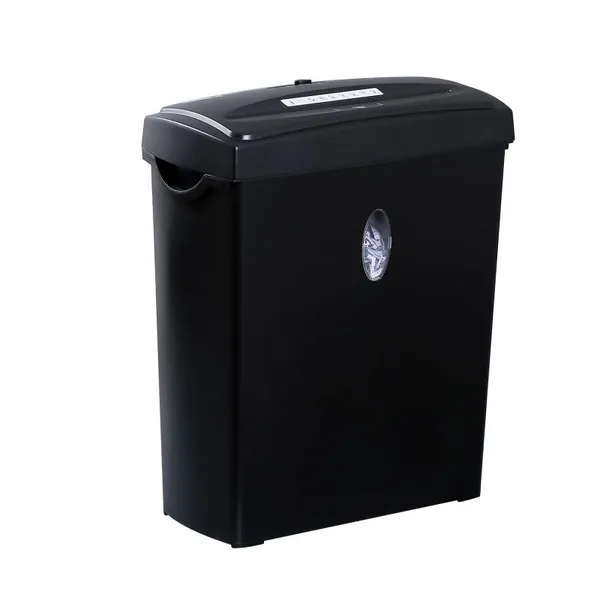
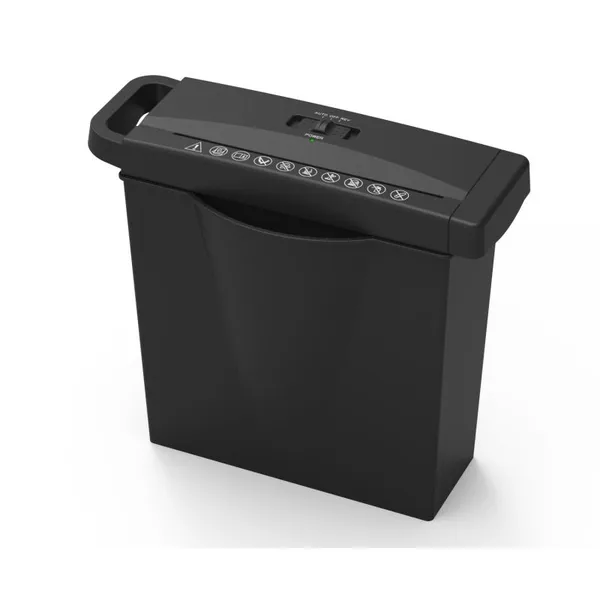
Premium 7L Home Office Paper Shredder 6 Sheets Strip Cut Document Shredding Machine IDPS002 With Electric Power SourceUS$ 7.99 - 8.88MOQ: 500 Pieces
-
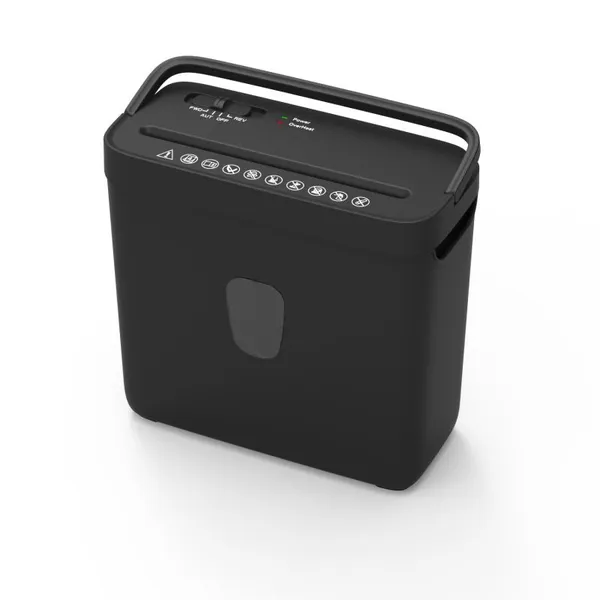
Premium 8L 4 Sheets Cross Cut Paper Shredder Machine Document Shredding Machine Office Shredder IDPS001US$ 9.50 - 10.50MOQ: 500 Pieces
-
Premium Portable Food Vacuum Sealer Machine With Rechargeable Li-ion Battery Food Saver for Sous Vide (FVS0351Li)US$ 8.10 - 8.90MOQ: 1000 Units
-
Premium Handheld Vacuum Sealer Mini Vacuum Pump for Reusable Vacuum Zipper Bags and Food Storage Containers (HVS3501)US$ 2.99 - 3.90MOQ: 2000 Units
-
Premium Food Vacuum Sealer Machine Food Saver Vacuum Preservation and Sealing Machine With Hose for Sous Vide (FVS2201)US$ 7.00 - 8.90MOQ: 1000 Units
-
Food Vacuum Sealer Machine Dual Heat Sealing Lines With Bag Cutter Double Seal Strip for Airtight Moist Food Storage (VS6)US$ 12.00 - 13.50MOQ: 1000 Units
-
Premium Portable Handheld Mini Vacuum Sealer Pump USB Rechargeable Air Suction Pump Vacuum Wine Jar Sealer IDFVS018US$ 4.50 - 5.10MOQ: 1000 Units